

 RECORDING ENGINEER
PRODUCER
FOLEY MIXER
FOREIGN DUBBING SUPERVISOR
ARCHIVIST
AUDIO REPAIR
AUDIO PRESERVATION
CONSULTANT
EDUCATOR

Lenise Bent was one of the few women working in professional recording studios in a technical role in the 1970s and was the first woman recognized to have recorded a RIAA certified platinum album.
RECORDING ENGINEER
PRODUCER
FOLEY MIXER
FOREIGN DUBBING SUPERVISOR
ARCHIVIST
AUDIO REPAIR
AUDIO PRESERVATION
CONSULTANT
EDUCATOR
Lenise Bent was one of the few women working in professional recording studios in a technical role in the 1970s and was the first woman recognized to have recorded a RIAA certified platinum album.
Lenise grew up in Los Angeles, CA. Living near Hollywood, she got her first job in the industry at the age of 8 when she and her brother were signed to the Screen Children’s Guild and worked as extras for TV and film. She soon realized that she was more fascinated with the actual filming and production side of the camera than acting. Also, coming from a musical family, she was exposed to and performed all styles of music from an early age. Her interest in technology was sparked by her eldest brother who worked at an electronics store and often brought home gear to repair and the smell of vacuum tubes heating up brings back many fond memories.
She begged for and received her first tape recorder on her 8th birthday. She studied piano and flute and made her first recording at 9 years old with the Compton Festival Orchestra. Growing up, she was interested in seeing films and watching live music.
She studied Film & TV and radio production at California State University Long Beach and the University of Southern California (USC). She then studied audio engineering at SoundMasters Recording School, which was one of the only recording schools at the time.
Music
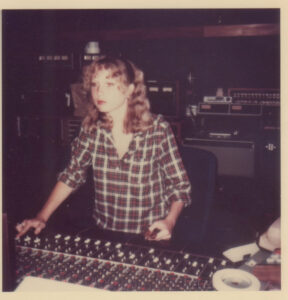 Bent worked as an assistant engineer at The Village Recorders studio in Los Angeles. She was hired in August 1976 and was one of four women on engineering staff. Her credits included Aja by Steely Dan; Breakfast in America by Supertramp; Tusk by Fleetwood Mac. She worked her way up to engineer (her first session in April 1977) and became chief engineer for Mike Chapman. She engineered AutoAmerican by Blondie and other of Chapman’s artists such as The Knack and Suzi Quatro. Bent engineered at other major studios such as United Western, The Record Plant, and Air London. She is known for being the first woman to receive an RIAA Platinum album for engineering (for AutoAmerican by Blondie). She is also recognized for being one of the few women working in the Hollywood recording studio studios (in a technical role) during the 1970s.
For Aja, Bent studied Steely Dan’s previous albums (including who played on them and engineered). She says that 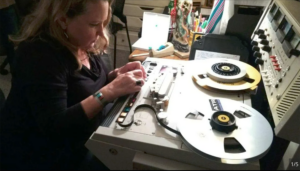 level of study paid off. One of her mentors was the engineer on that album, Roger Nichols. She learned from Donald Fagen to make things right versus making things perfect.
Bent moved into post-production (for film and television) but continues to work on music. In 2016, she recorded an all analog album with the band The Barrelhouse Kings. 2018, she recorded Primal King’s self-titled album at United Recordings using all analog equipment.
When asked, “What is the key to recording a great sound?” Lenise replied, “Capturing the performance the best way you possibly can, meaning using the right mic for that instrument or voice, put in the right place. And I prefer to work quickly while the energy is up.”
Her favorite pre-amps are Neve 1073 and Neumann 67 is her favorite mic.
Post-Production
Lenise moved into post-production audio and now also works as a sound editor, sound supervisor and re-recording mixer. She has recorded, engineered and mixed music, voice-over, ADR and Foley. She has produced vocals and dialog for the foreign language versions of the films Shrek, Spirit, and Shrek 2.
Lenise grew up in Los Angeles, CA. Living near Hollywood, she got her first job in the industry at the age of 8 when she and her brother were signed to the Screen Children’s Guild and worked as extras for TV and film. She soon realized that she was more fascinated with the actual filming and production side of the camera than acting. Also, coming from a musical family, she was exposed to and performed all styles of music from an early age. Her interest in technology was sparked by her eldest brother who worked at an electronics store and often brought home gear to repair and the smell of vacuum tubes heating up brings back many fond memories.
She begged for and received her first tape recorder on her 8th birthday. She studied piano and flute and made her first recording at 9 years old with the Compton Festival Orchestra. Growing up, she was interested in seeing films and watching live music.
She studied Film & TV and radio production at California State University Long Beach and the University of Southern California (USC). She then studied audio engineering at SoundMasters Recording School, which was one of the only recording schools at the time.
Music
Bent worked as an assistant engineer at The Village Recorders studio in Los Angeles. She was hired in August 1976 and was one of four women on engineering staff. Her credits included Aja by Steely Dan; Breakfast in America by Supertramp; Tusk by Fleetwood Mac. She worked her way up to engineer (her first session in April 1977) and became chief engineer for Mike Chapman. She engineered AutoAmerican by Blondie and other of Chapman’s artists such as The Knack and Suzi Quatro. Bent engineered at other major studios such as United Western, The Record Plant, and Air London. She is known for being the first woman to receive an RIAA Platinum album for engineering (for AutoAmerican by Blondie). She is also recognized for being one of the few women working in the Hollywood recording studio studios (in a technical role) during the 1970s.
For Aja, Bent studied Steely Dan’s previous albums (including who played on them and engineered). She says that level of study paid off.
One of her mentors was the engineer on that album, Roger Nichols. She learned from Donald Fagen to make things right versus making things perfect.
Bent moved into post-production (for film and television) but continues to work on music. In 2016, she recorded an all analog album with the band The Barrelhouse Kings. 2018, she recorded Primal King’s self-titled album at United Recordings using all analog equipment.
When asked, “What is the key to recording a great sound?” Lenise replied, “Capturing the performance the best way you possibly can, meaning using the right mic for that instrument or voice, put in the right place. And I prefer to work quickly while the energy is up.”
Her favorite pre-amps are Neve 1073 and Neumann 67 is her favorite mic.
Post-Production
Lenise moved into post-production audio and now also works as a sound editor, sound supervisor and re-recording mixer. She has recorded, engineered and mixed music, voice-over, ADR and Foley. She has produced vocals and dialog for the foreign language versions of the films Shrek, Spirit, and Shrek 2.